


Start with the learning objectives
As with any exercise, everything starts with the learning objectives.
In a large-scale wildfire exercise, these objectives can quickly diverge. A firefighter-in-training develops different skills than a platoon commander. While one focuses on operational execution, the other concentrates on decision-making, communication, and coordination.
These objectives determine what you need to stage—not the other way around.
Build a solid foundation
Make sure participants are not unprepared when they enter the exercise.
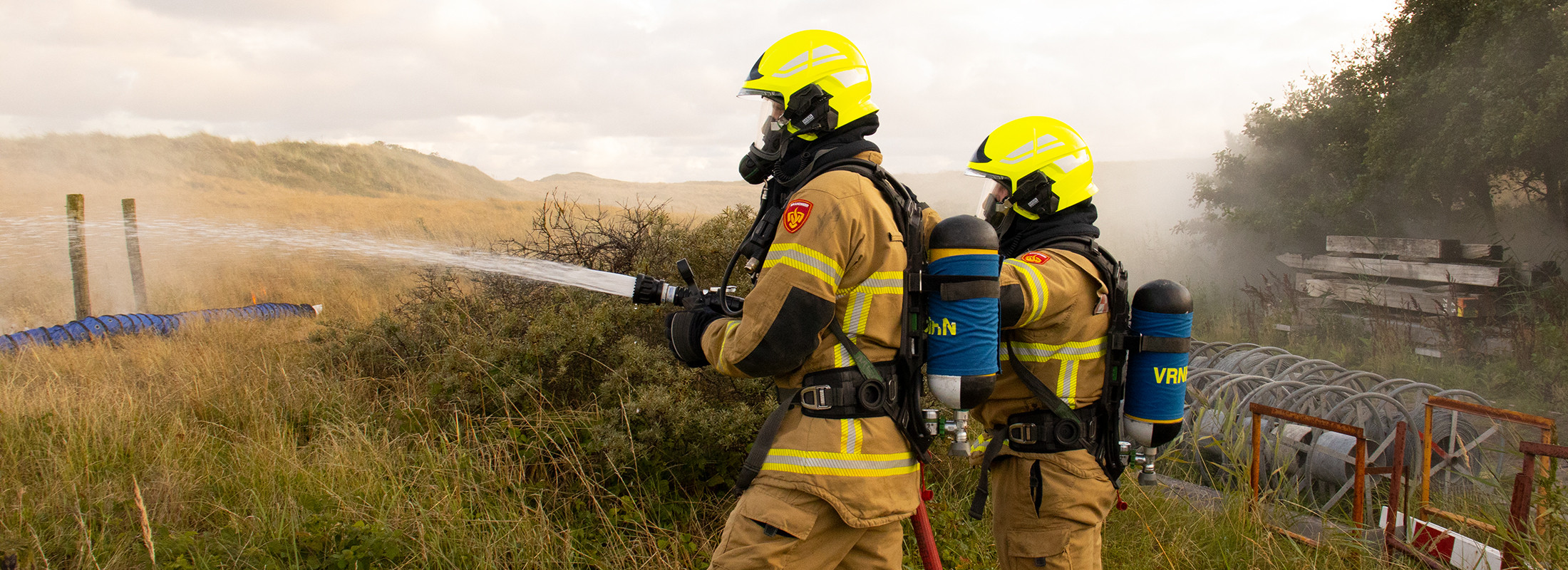
As an organization, you invest a great deal of time in an exercise. In return, you can expect basic skills to be in place. Think of hose deployment systems, moving firefighting techniques, and knowledge of vegetation. By training these elements in smaller sessions beforehand, you prevent the exercise from getting stuck at a basic level.
During the platoon exercise itself, the focus can then shift to decision-making, communication, and teamwork, as well as the application of previously learned skills in a dynamic situation.
The right equipment makes the difference
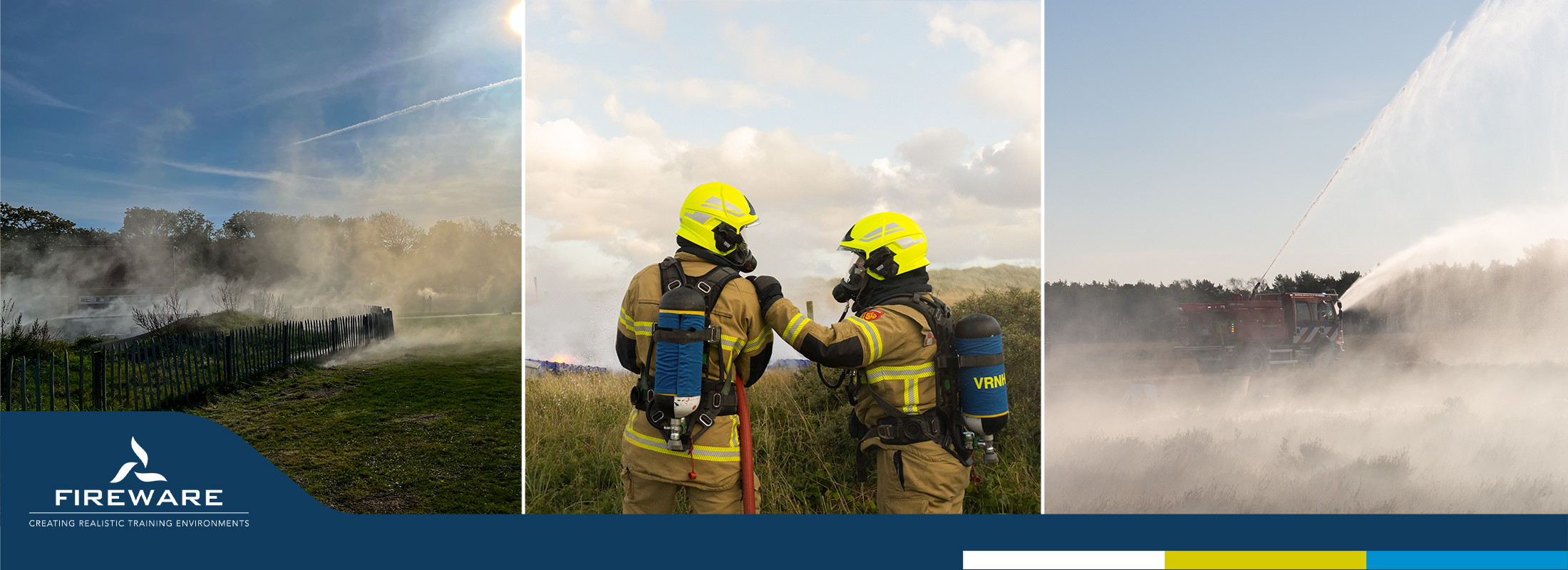
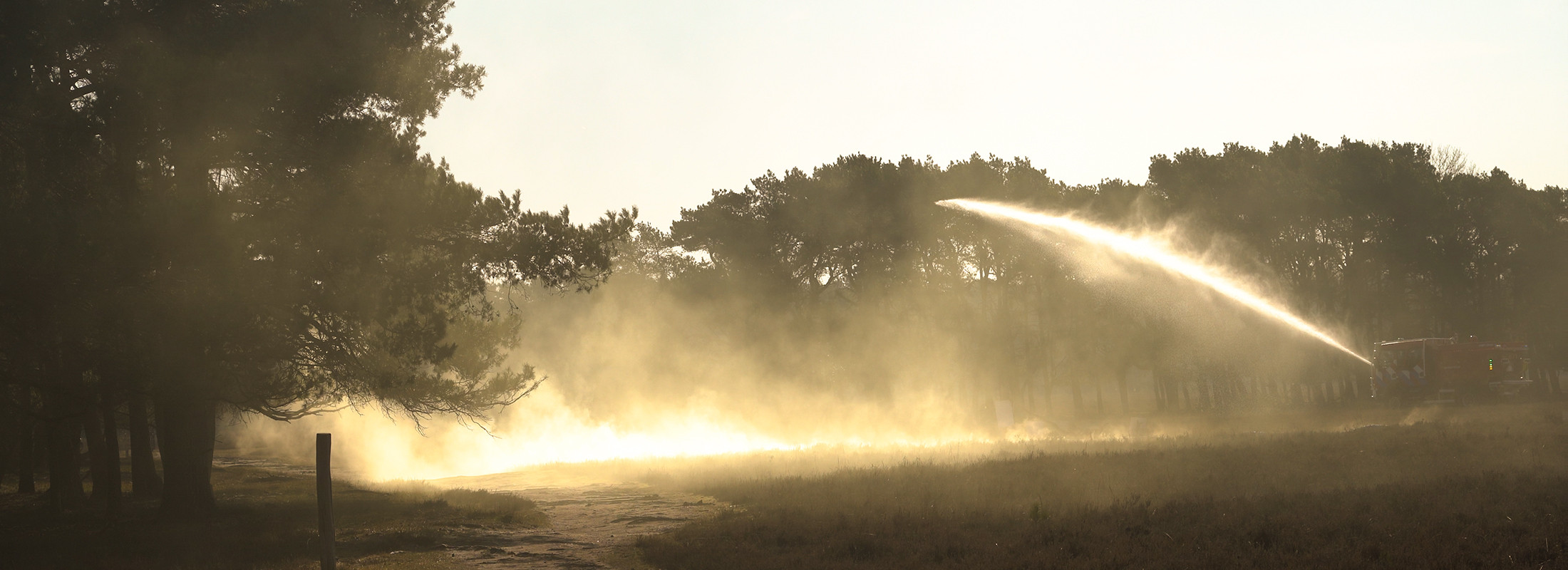
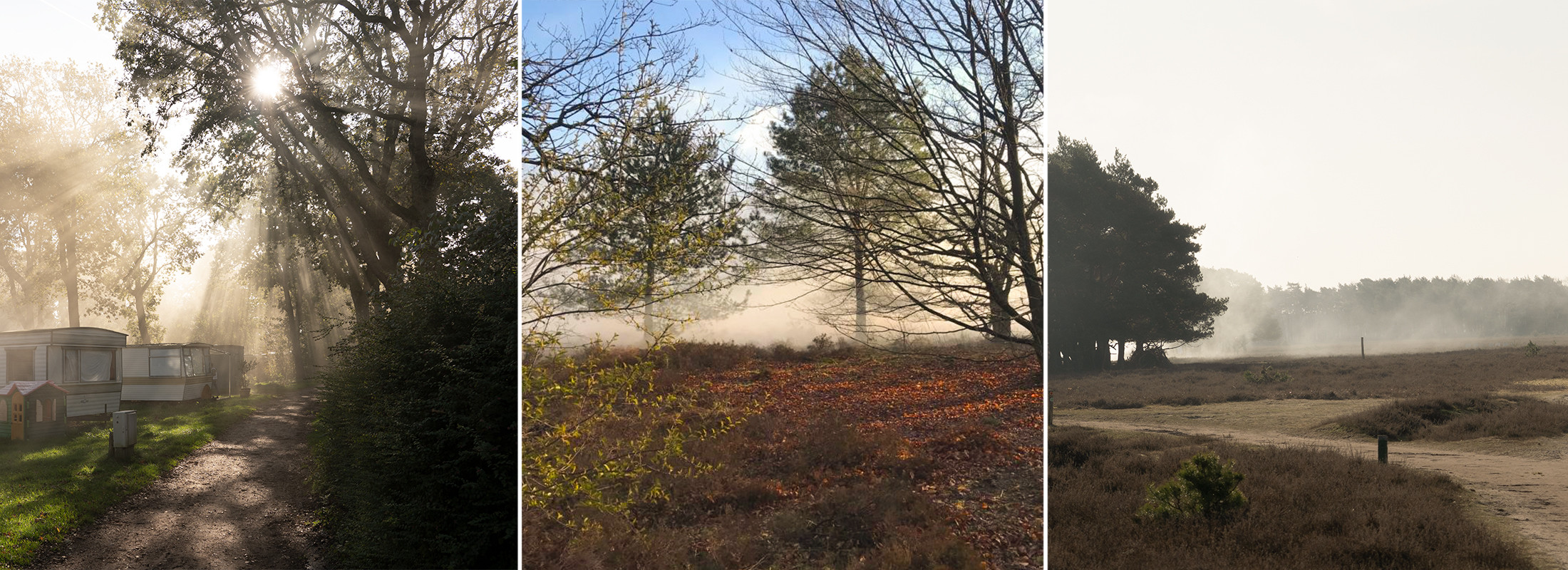
In wildfire scenarios, you need powerful smoke that remains visible even outdoors.
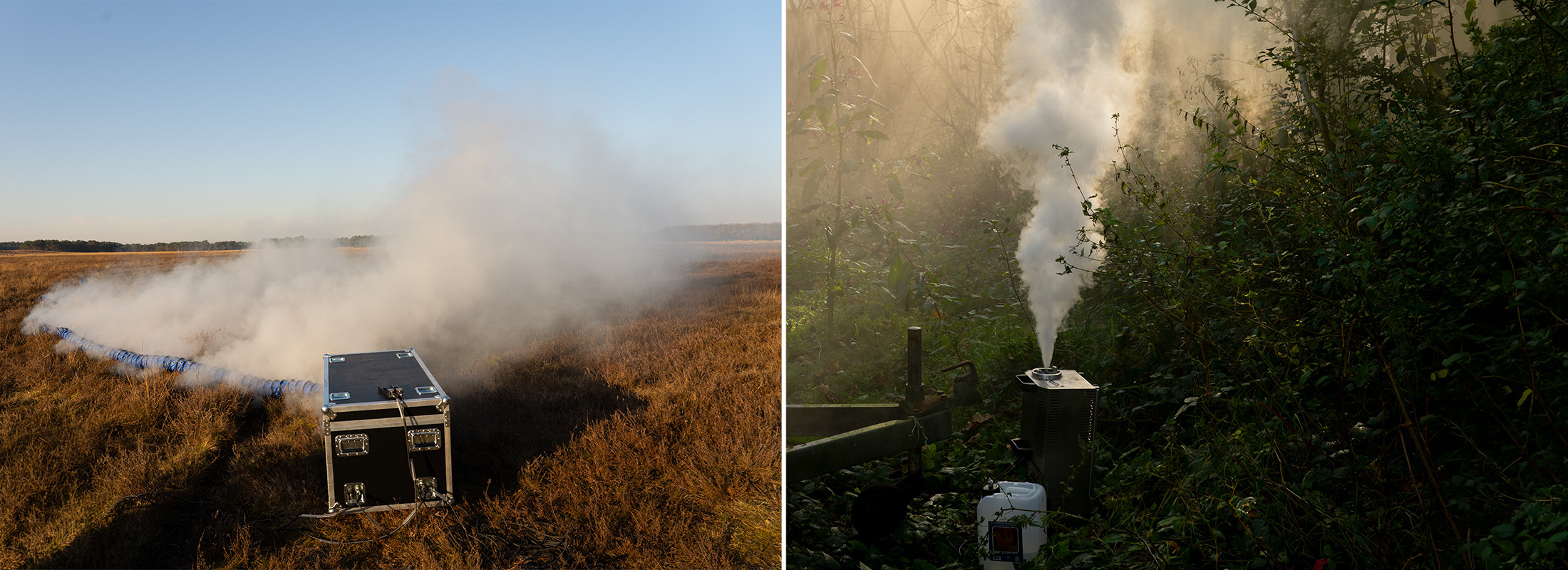
The Stratus smoke generator is highly suitable for these types of applications due to its high output capacity. In combination with the heavy-duty Smoke Fluid Fire Training Extreme, it produces a dense smoke that lingers even in open-air environments.
With a Smoke Hose Set Perforated, a point source can be transformed into a line source of approximately ten meters. This is ideal for simulating a fire line, such as the head or flanks of a wildfire.
If that is not sufficient, the BAMBI Wildfire simulator offers the possibility to connect smoke hoses up to fifty meters. This allows you to create complete fire lines.
By using multiple setups and activating them in stages, you can let the fire scenario expand step by step.
Working with information
Wildfire suppression is increasingly driven by information.
Map data is essential for determining access points and staging areas, as well as for quickly gaining insight into vegetation types. In addition, up-to-date meteorological data plays a crucial role in the development of a wildfire.
Ensure that during an exercise you work with the same type of information as in real incidents. Use realistic maps, involve the land manager, and work with current weather data. Avoid inventing situations that are not visible or explainable, as this undermines the credibility of the exercise.
Aerial situational awareness
Drones are playing an increasingly important role in wildfire suppression.
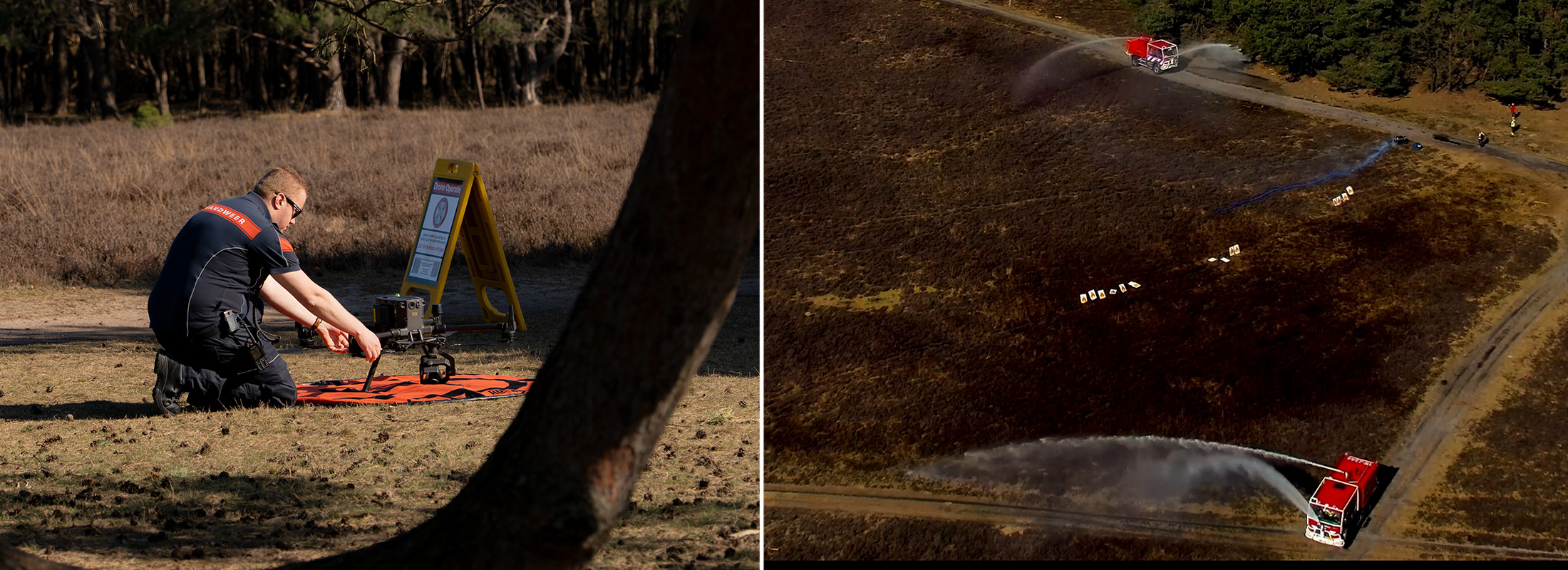
If you include a drone team in an exercise, involve them in the preparation phase. They often have specific learning objectives, such as mapping the extent of a fire and tracking its spread.
It is therefore essential that the scenario is also readable from the air. Flags and markers quickly disappear into the landscape, whereas smoke remains visible and moves with the wind. This not only clarifies the scale of the incident, but also the direction and development of the fire.
By adapting your staging accordingly, you create usable information for the drone team and for commanders who base their decisions on it.
In larger areas where physical staging is limited, this information can even be used to further steer the scenario. Not only what is visible, but also what is communicated, then determines the development of the exercise.
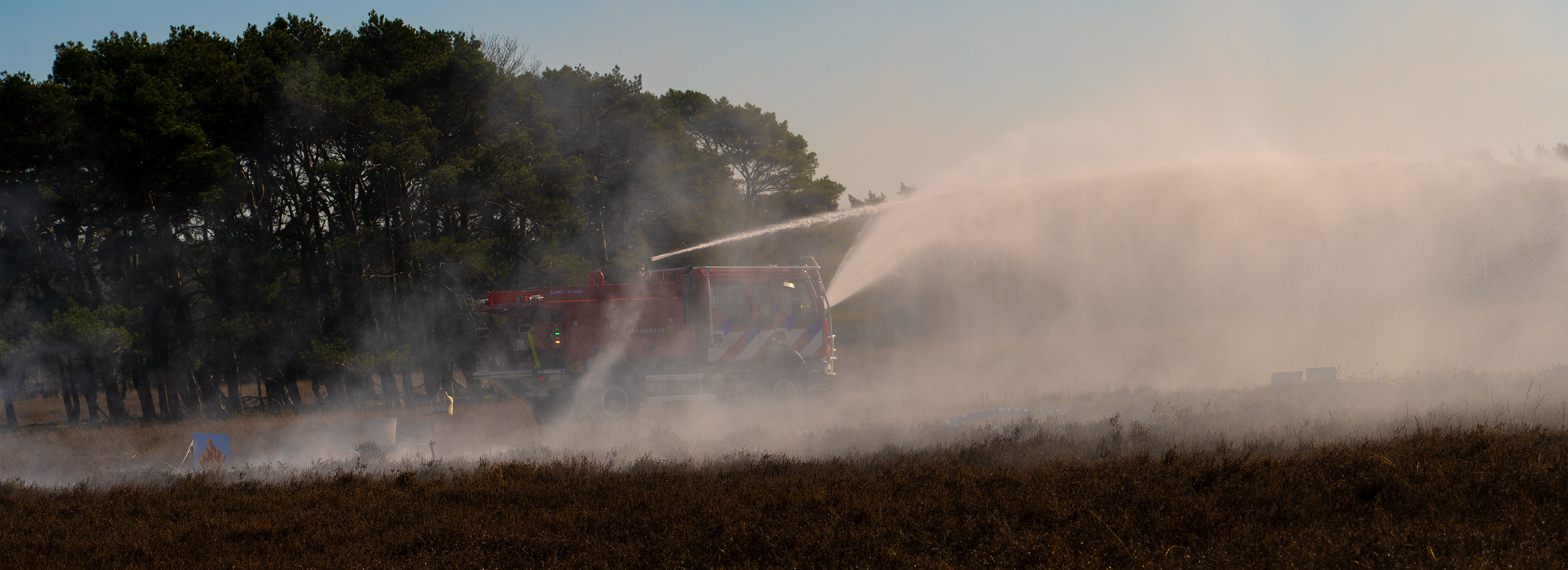
In 2020, we also published a news article about staging wildfires:
Staging wildfires – news article
You can read more about realistic staging in the Simulation Academy:
Simulation Academy – knowledge platform for staging
More practical examples of wildfire exercises:
Wildfires – Portfolio


 FireWare